
Starting Online Casinos Without Feeling Lost
My first attempt at an online casino was less dramatic than I expected. There was no big winning moment, no flashing celebration, and thankfully no disaster either. Mostly, I sat with a cup of tea going cold beside my laptop and spent far too long reading tiny lines beneath a welcome offer. That first evening taught me something useful: getting started with confidence is not really about knowing which slot has the best theme. It is about slowing down long enough to understand what I am signing up for.
Online casinos can look simple on the surface. A registration form, a deposit button, rows of games, perhaps a bonus banner that seems almost too generous. Yet the first choices matter more than they appear to. I found that confidence came gradually, after I learned how licensing, payment methods, game rules, wagering requirements, and personal limits fit together. None of it is especially difficult, although it can feel like a lot when every page is trying to catch the eye.
Table of contents
| Starting without feeling lost | Choosing a casino I could trust |
| Registration and verification | Deposits, budgets, and withdrawals |
| Picking first games | Early mistakes to avoid |
| FAQ | A calmer way to play |
I now think of a first casino visit as a short research project with entertainment attached, rather than the other way around. That mindset sounds a bit serious, perhaps, but it makes the experience more relaxed. When I know the rules, I do not feel pushed into decisions just because a countdown timer says an offer expires soon.
Choosing A Casino I Could Trust
The first serious step I took was checking whether the casino was properly licensed. This was not the most exciting part, admittedly. I would rather have looked at games. Still, it quickly became my basic filter. A legitimate gambling platform generally displays licensing information near the bottom of its site, along with links to responsible gambling resources, privacy policies, and terms of service. If I had to hunt around for all of that, I treated it as a warning sign.
A licence does not guarantee that every detail of the player experience will be perfect. I learned that the hard way when a site looked professional but had painfully slow customer support. Even so, regulation gives a player a clearer route if something goes wrong, especially around identity checks, deposits, or withdrawals. I prefer casinos that make their operator details visible instead of hiding behind vague marketing language.
Reviews helped, but only after I stopped treating every review as equally trustworthy. A page filled with identical praise did not tell me much. I looked for repeated patterns instead: Were players mentioning delayed payouts? Did people say that account verification became difficult only after a win? Was live chat available, and were replies useful rather than copied from a script? One or two unhappy comments can happen anywhere. A steady pattern is more meaningful.
It also helped to look at the game providers. Recognisable studios are not a magic stamp of safety, but they gave me more confidence that the games had established rules and published payout information. Most casino games include an RTP figure, meaning return to player, which is a long-term mathematical estimate rather than a promise for a single session. I initially misunderstood that point. Seeing a 96% RTP did not mean I would get $96 back from a $100 deposit that night. It means that over a huge number of rounds, the game is designed around that average.
One small term I had to learn was house edge. It is easy to ignore because it sounds technical, but understanding it changed how I viewed gambling. The casino has an advantage in the long run. For me, that made it much easier to stop thinking of a game session as an investment or a way to fix a financial problem. It is paid entertainment with uncertain outcomes, nothing more dependable than that.
Registration, Details, And Verification
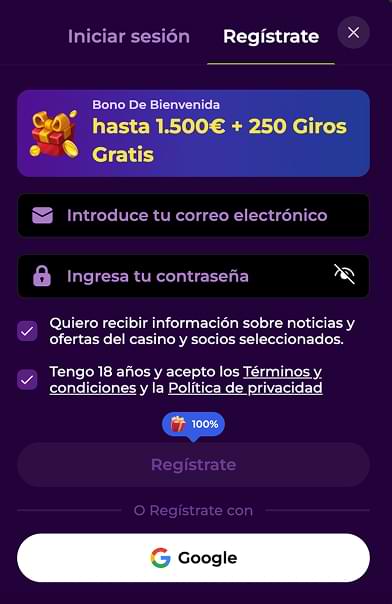
Creating an account was straightforward, though I made it more complicated than necessary by typing quickly. My surname was entered slightly differently from the name on my payment card, and I only noticed later. Nothing terrible happened, but it was an avoidable nuisance. Since casinos need to comply with identity and anti-fraud rules, matching details matter. Now I enter my legal name, current address, date of birth, and contact information carefully the first time.
Verification is one of those things that can feel intrusive until I remember why it exists. A casino may ask for identification, proof of address, or confirmation of a payment method. It can happen at registration, before a first withdrawal, or sometimes after a deposit reaches a certain point. I prefer to verify early, before I have money waiting to be withdrawn. It is less exciting, but it prevents the annoying situation where a player wins, requests a payout, and then discovers that documents are required before anything can move.
I use a unique password for casino accounts and turn on two-factor authentication when it is available. This is not glamorous advice, but online accounts involve payment details and personal information. A password manager made this easier for me. Before that, I had a small notebook with passwords in it, which was not exactly a smart system. I also check that the website address is correct before logging in, particularly if I arrived through an advertisement or email.
Another early lesson was that responsible gambling tools are worth inspecting before I need them. A decent casino should offer deposit limits, loss limits, session reminders, cooling-off periods, and self-exclusion options. I do not see these features as signs that a player lacks control. Quite the opposite. Setting boundaries while calm is much more sensible than attempting to negotiate with myself after a frustrating run of losses.
Deposits, Budgets, And The Reality Of Withdrawals
The deposit page is where a beginner can move too fast. A shiny button and a welcome bonus can make a larger deposit feel reasonable, even when it was never part of the plan. I started with a small amount that I was genuinely comfortable losing. Not “probably fine,” not money intended for a bill later in the week, but an amount that would not affect anything important if it disappeared.
For my first deposit, I chose a payment method that I already understood and that kept a clear record of transactions. Depending on location, casinos may support cards, bank transfers, e-wallets, prepaid vouchers, or other options. What mattered to me was not simply whether I could deposit instantly. I also wanted to know the minimum and maximum amounts, whether fees applied, and whether the same method could be used to withdraw funds.
That last question matters more than I expected. Some casinos require withdrawals to go back to the original deposit method where possible. Others have processing times before a payment provider adds its own delay. A platform can say “withdrawal approved within 24 hours,” while the money itself may take several business days to arrive. That is not automatically suspicious, but it should be clear before a deposit is made.
| Question | What I checked | Why it mattered |
|---|---|---|
| Budget | A fixed amount I could lose | It stopped a quick top-up becoming a habit |
| Deposit method | Fees, limits, and account name match | It avoided payment surprises later |
| Withdrawal rules | Verification and processing times | I knew what to expect before playing |
| Bonus choice | Wagering terms and eligible games | It kept the offer from changing my plan |
Welcome bonuses deserve a pause. At first, I thought declining one meant I was leaving free money behind. Sometimes a bonus can be fun, but it usually comes with conditions. The most important is the wagering requirement, which tells me how many times bonus funds, and occasionally the deposit too, must be wagered before a withdrawal is possible. A $20 bonus with a 35x requirement is not just $20 placed in my balance. It could mean $700 of wagering, depending on the terms.
I read the expiry period, maximum bet restriction, game contribution percentages, and maximum cashout if one applies. Slots often contribute fully toward wagering, while table games may contribute less or nothing. That does not make bonuses bad, it just makes them more complicated than the banner suggests. On my first few visits, I sometimes chose no bonus at all. I liked seeing my cash balance separately, without having to wonder whether a particular spin was counting toward a condition.
Picking First Games Without Chasing Excitement
Once I had an account and a small budget, the game lobby felt enormous. Slots were everywhere, each one promising a different kind of adventure, jackpots, free spins, or bonus rounds. My first instinct was to click the loudest game with the biggest jackpot graphic. That is understandable, but it did not help me learn much. I eventually started with demo mode whenever it was available.
Demo play does not show exactly how it feels to risk real money, obviously. Still, it is useful for learning a game’s controls, paytable, volatility, bet range, and special features. Volatility was another word that took me a while to work out. A high-volatility slot may go through longer quiet periods but can have larger individual wins. A low-volatility game may offer smaller, more frequent returns. Neither type is a guaranteed better choice. They simply create different experiences.
I found simple slots easier as a beginner because I could read the rules without losing patience. I looked for the RTP, the minimum stake, the maximum stake, and any feature purchase option. I usually avoided buying bonus rounds at the beginning because it can make a session expensive very quickly. A standard spin at a small stake gave me time to understand what I was watching.
Table games appealed to me because their rules were familiar in a loose way. Blackjack, roulette, baccarat, and poker-style games all have their own pace and betting structure. I was tempted to assume that a familiar game meant I knew what I was doing. I did not. Even roulette has different wheel types, and the number of zeroes changes the house edge. Blackjack rules can vary between tables too, which affects the odds. I read the game information panel before placing real bets, even if that made me feel a bit slow.
Live casino games were enjoyable but slightly intimidating at first. A real dealer, chat box, timers, and other players create a more social atmosphere than digital slots. At the same time, the pace can pressure a newcomer into acting quickly. I watched a few rounds without betting, then joined with the smallest permitted stake. That approach suited me. It may not be thrilling, but I would rather understand the rhythm than make hurried choices because the countdown clock is flashing.
The Early Mistakes I Nearly Repeated
My biggest beginner mistake was believing that a loss created a reason to continue. It does not. A losing round is simply a losing round. The temptation to “get back” to an earlier balance can be surprisingly strong, particularly after I had a few wins and then watched them disappear. I now try not to measure a session against the highest number I saw on screen. That number is gone once the next bet is made.
There were a handful of habits that made a clear difference for me:
- I decide the deposit limit before opening a game, not after a few spins.
- I do not increase stake size to recover losses or prove that a game is “due.”
- I read bonus terms before accepting an offer, even when the offer is small.
- I take a break if I feel irritated, tired, rushed, or unusually focused on winning back money.
- I keep gambling separate from money needed for food, rent, savings, debt, or ordinary life.
The idea that a slot is “due” for a win was probably the trap I heard most often and understood least. Random games do not remember that I lost ten rounds. They do not compensate for a previous player either. Once I accepted that, I stopped reading patterns into almost every outcome. It made gambling less emotional, oddly enough. A win was luck, a loss was luck, and neither told me what the next round would do.
I also learned not to play while multitasking too heavily. Watching a film, answering messages, and spinning a slot at the same time sounds harmless, but I noticed I paid less attention to how much I was staking. One evening I had intended to make ten small spins, then looked up after twenty-seven. That tiny detail was enough to change my habits. Now I play in shorter sessions, and I close the tab when I am finished instead of leaving it open in the background.
Another mistake is treating casino comparison pages as final truth. They can be helpful for spotting available payment methods or game categories, but I still check the casino’s own current terms. Bonuses change. Country availability changes. A review written six months ago may be accurate in spirit while being wrong about a particular promotion. I have become more comfortable with spending a few extra minutes on the official information page.
What Confidence Actually Looked Like For Me
Confidence did not mean feeling certain that I would win. In fact, the more I understood online casinos, the less I expected any particular result. For me, confidence meant knowing where my money was going, understanding the game before I played it, and being able to stop without turning that decision into a debate.
It also meant accepting that not every casino feature was for me. I enjoy trying a new slot occasionally, but I do not need to join every tournament, chase leaderboard points, or collect every bonus. Some people enjoy those extras. I find they can blur the line between a short bit of entertainment and a much longer session than I intended. There is no prize for using every promotion on a site.
When I choose a platform now, I look for clarity more than spectacle. I want licensing details that are easy to find, transparent payment rules, responsive support, fair-looking game information, and workable safer gambling tools. The colourful lobby matters much less than I thought it would. A quieter, clearer player experience is usually the one I trust more.
Starting small gave me room to learn without pressure. That may be the most useful thing I can pass on from my own early experience. There is always another game tomorrow, another offer later, another chance to try something new. There is no real need to rush. If gambling stops feeling like optional entertainment, I step away and use the limits or self-exclusion tools available to me. That is a decision I have never regretted.
FAQ
How much should I deposit at an online casino for the first time?
I prefer a small amount that I can comfortably afford to lose without affecting any essential expense. The exact figure is personal, but it should be decided before signing in. A first deposit is for learning the platform and games, not for trying to create a large return.
Should I always accept a casino welcome bonus?
No. I check the wagering requirement, eligible games, time limit, maximum stake rule, and withdrawal conditions first. Sometimes I accept a bonus because I understand the terms and want to use it. Other times I choose a cash-only deposit because it feels simpler.
Why does an online casino ask for identity documents?
Verification helps casinos meet legal, age-checking, payment security, and anti-fraud obligations. It can feel inconvenient, although providing accurate documents early is usually easier than waiting until a withdrawal request is pending.
Can RTP tell me whether I will win in one session?
No. RTP is a long-term calculation based on an enormous number of game rounds. It does not predict what will happen during my next ten spins, or even my next hundred. A higher RTP can be useful information, but it is never a short-term guarantee.
What should I do if gambling starts to feel stressful?
I stop playing, take a break, and use the casino’s deposit limit, cooling-off, or self-exclusion features if needed. If gambling is causing financial pressure, anxiety, secrecy, or difficulty stopping, seeking help from a recognised gambling support service is a sensible next step.